OKAYAMA DENIM
Story
Okayama, the sacred place of denim
The southern part of Okayama Prefecture, where we live, used to be a sea dotted with large and small islands called “Kibi-no-anhai”.Since then, a lot of land area has been created from land reclamation.
In the first few years of reclamation, the soil contained salt, and it was not suitable for crops such as rice and wheat.I want to be a part of it.
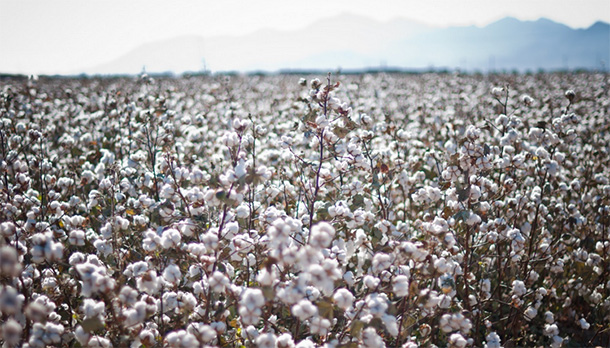
We started to handle denim in the process of spinning carefully grown cotton, weaving the spun cotton on a loom and processing it into cotton products.”Okayama” has become a sacred place of denim that attracts attention from overseas.
Indigo of commitment
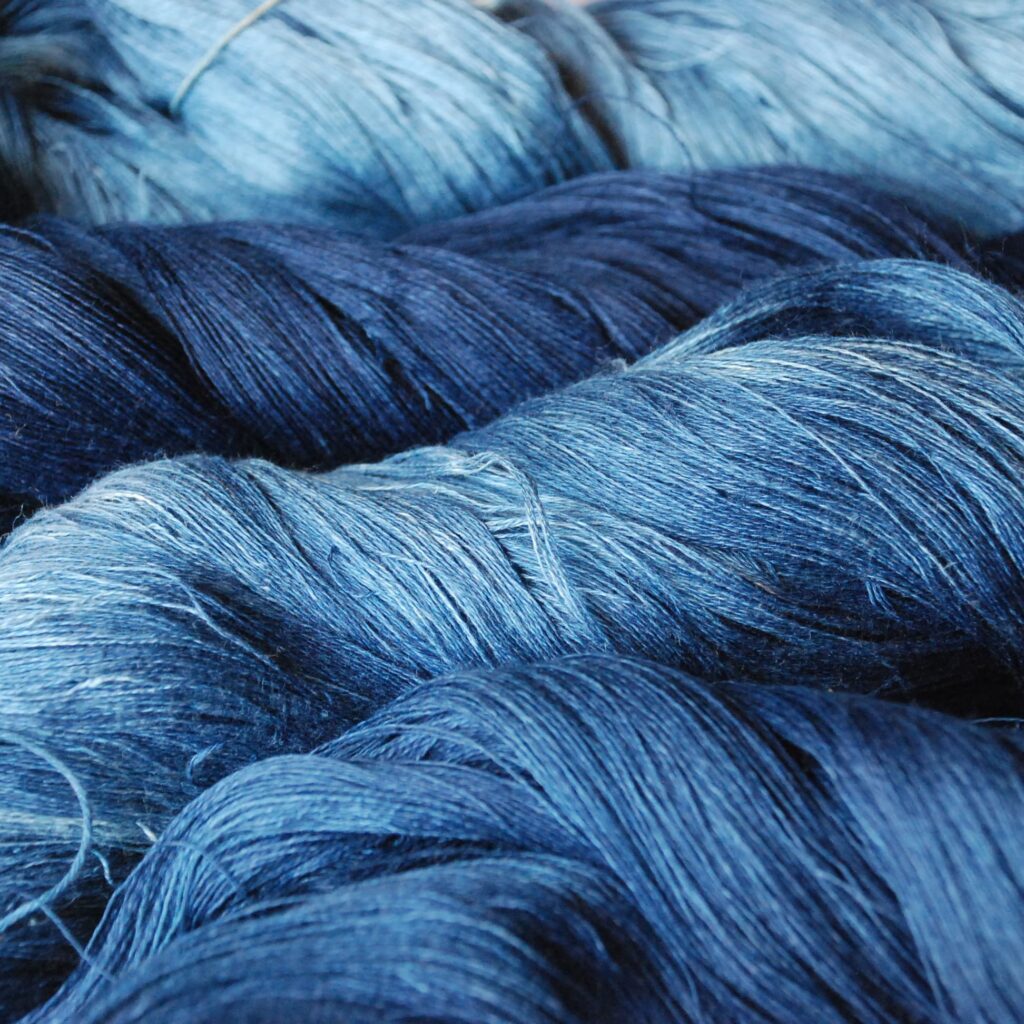
One of the reasons why Okayama Denim’s quality is gaining support from the world is the beautiful color of indigo.
While natural indigo develops into a very beautiful indigo, it is difficult to handle such as the surface of storage and the speed of color blurring during dyeing / fading after dyeing.Point also.
In order to stably reproduce the color development of this beautiful natural indigo in Okayama, we conducted research on synthetic indigo based on Japanese indigo dyeing technology and developed a product that is close to the color development of natural indigo.Through trial anderror, we succeeded in producing a unique indigo dye with the indigo color unique to Okayama Denim.
Dyeing
As a characteristic of denim material, color fading is also an important element.
There are two methods of dyeing: yoke-zome and rope-zome.
All yoke dyeing is done by hand.The threads are tied together in a vase with indigo and made into a ring, soaked many times, squeezed, exposed to air and oxidized, and dyed blue repeatedly.It is always time consuming and rarity increases, but it is not suitable for dyeing blue to the core of the thread and causing the unique color loss of denim.
Rope dyeing on denim
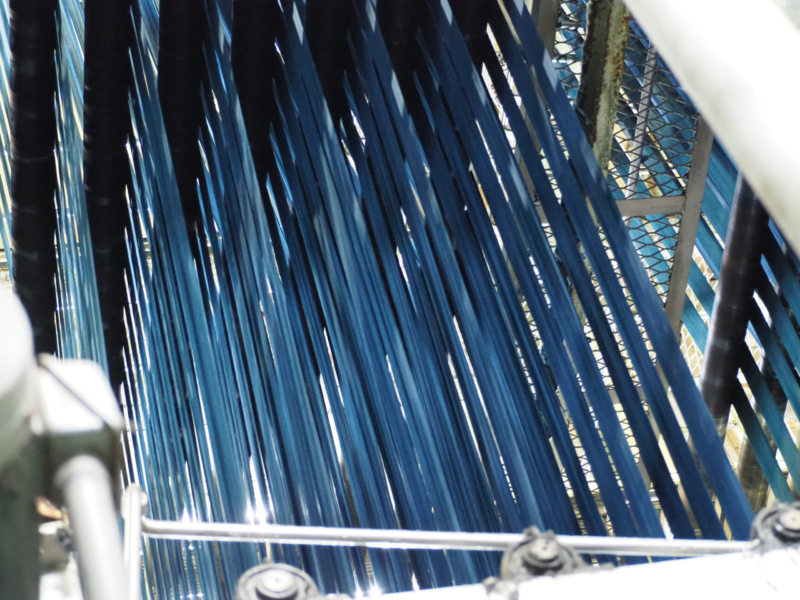
Another type of rope dyeing is the process in which the yarn bundled in a rope form is wound up in a machine, immersed in the dye liquid, and then exposed to air to oxidize.It is a technique to return it and dye it blue.
Because indigo has a weak dyeing power, the rope dyeing is repeated many times to dye it into a beautifulcolor, but the yarn dyed with rope dyeing is dyed in the middle of the yarn, and the yarn is dyed in the middle of the yarn.It does not dye to the heart, it is finished in a state of “medium white”.
In fact, this is very important for the deep color fading of denim, denim dyed with rope dyeing, it creates a contrast of blue and white as you wear it.The unique texture of denim increases, and you can grow it to your own 1 wear.
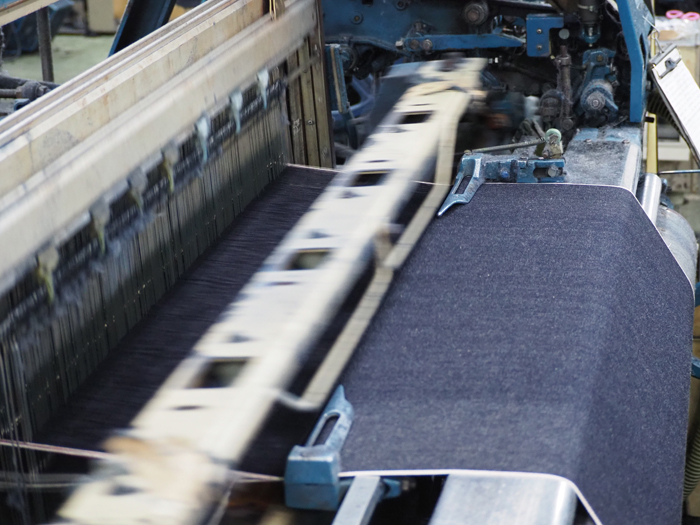
We weave in the old force loom Schonhel style
Modern looms demand speed for mass production, and it is mainstream to weave warp yarns by the power of air and water.
On the other hand, in the old power loom Shonhel type, the vertical thread relies on the experience of the craftsman without applying strong tension, and the condition of the thread at that time is determined.It will be woven while being stretched with optimum strength.
The moderate space of the warp yarn woven by hand while slowly containing air produces an expression with a feeling of unevenness peculiar to denim, and the unevenness makes it comfortable to wear.Over time, it leads to expressive discoloration such as tateochi, beard, and honeycomb.
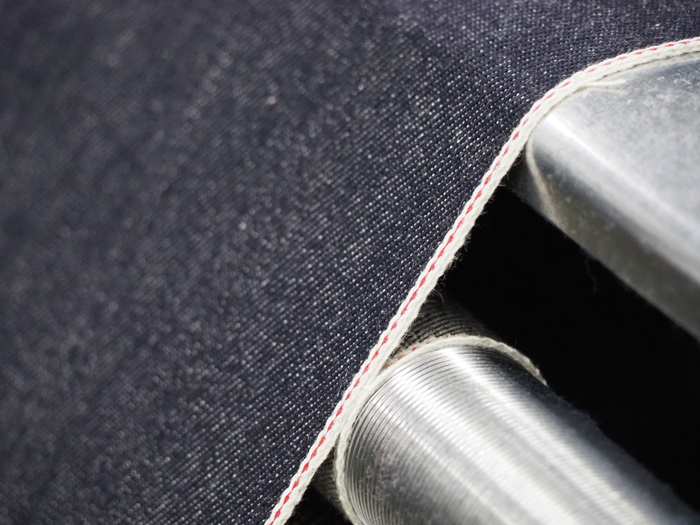
In addition, ears, called selvich in narrow width, are formed on both ends of the fabric.This is “denim with ears” that is popular among denim lovers and is sought after.
The birth of Okayama, the sacred place of denim, had a history that could be said to be both accidental and inevitable.
In the long years since then, the enthusiasm and traditional skills of many Okayama craftsmen have made the present Okayama denim, and the technique has been passed down quietly even now.It’s a good idea.
By knowing the history of ”my denim suit”, with more attachment, I am happy if you can continue to wear it for along time in the future life.
The Bicchu Bingo area boasts a market share of over 80% of domestic production of denim fabrics.
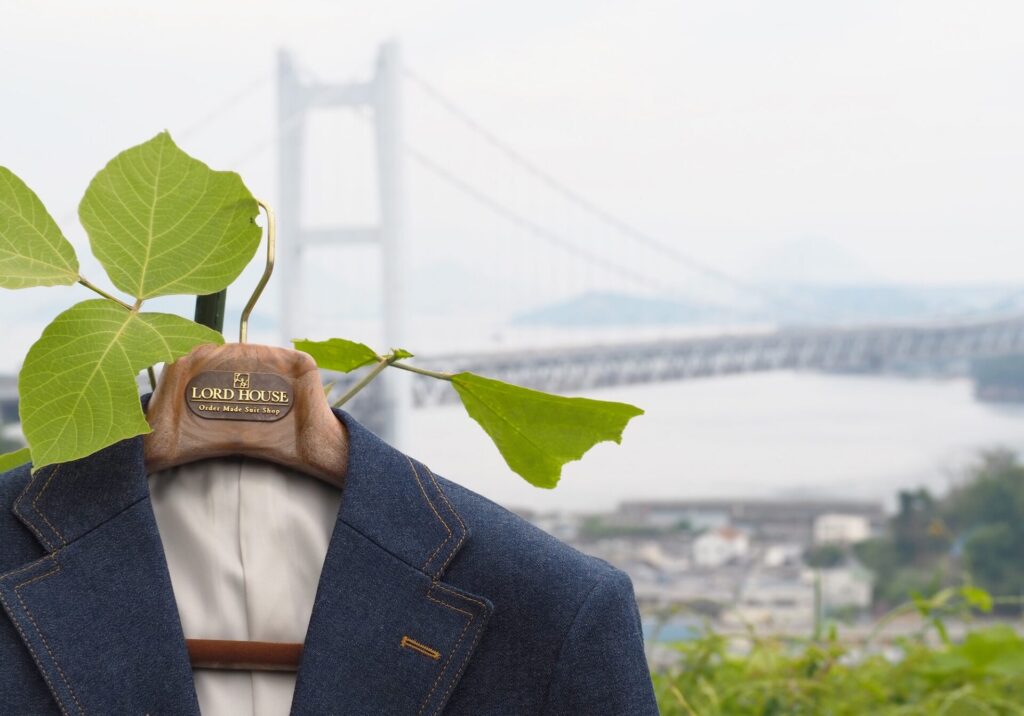
Among them, at Roadhouse, national brands such as KUROKI DENIM and KAIHARA DENIM, and the world luxury jeans brand called Premier Zone are excellent.We handle mainly denim of commitment that is handled as a material.